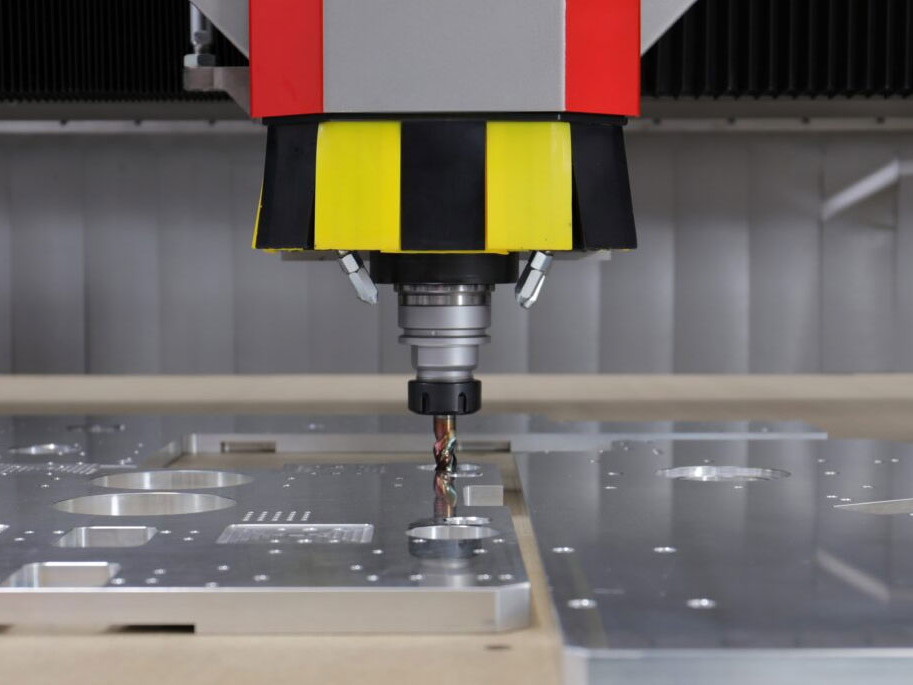
Using unsuitable machine tools is costing you precision and competitiveness. If you want to transform aluminum into high-end components, you need to know the machine tools for advanced aluminum processing. Only in this way will you be able to achieve the quality your customers expect and stand out in the market.
If you read this article, you will get a clear guide on how machine tools for advanced aluminum processing can revolutionize your production, improving precision and efficiency. You don’t need large investments or complicated technologies. Just understanding what to look for and how to implement it. Read on to find out how to take your aluminum processing to the next level, obtaining perfect parts and optimized processes.
Why Do Composites Require Specialized CNC Machines?
Composite materials are like a team of superheroes, where each fiber (carbon, glass, aramid) works together with a matrix (epoxy, polyester) to create a material with exceptional properties. They are light, strong, rigid and often resistant to corrosion. But, let’s face it, working with them is not like cutting butter. You know when you try to cut thick fabric with regular scissors? Not exactly the best, right? Well, with composites it’s similar. If you don’t use the right tools, you risk fraying the material, creating cracks, or worse, damaging the tool.
This is where a cnc milling machine for composites comes into play. Because you can’t use the same router you use for aluminum and expect miracles. Composites require a different approach. They need machines that can handle the fine dust they produce, have efficient extraction systems, and, above all, use tools specifically designed to not damage the fibers. If you use the wrong tool, you could end up with a lot of scrap and a disappointing finish. Specialized CNCs are built to meet these challenges, ensuring clean cuts, smooth edges, and flawless structural integrity of the part.
The Unique Challenges of Composite Processing
To be clear: working with composites is no walk in the park. Have you ever found yourself with a frayed edge on a carbon fiber piece? It’s frustrating, right? This happens because the fibers, when cut incorrectly, tend to fray instead of breaking cleanly. And then there’s the dust. When cutting composites, a very fine dust is created, sometimes abrasive, which can be harmful if inhaled and which can infiltrate everywhere, damaging the mechanical parts of the machine.
Standard CNC machines aren’t always equipped to handle these issues. They often do not have adequate extraction systems, and their tools may not be suitable for cutting tough fibers without causing damage. Think of a manufacturer of carbon fiber racing car components. Precision and structural integrity are everything. If the edges aren’t perfect, or if the fibers are damaged, the entire component could fail under stress. This is why a cnc milling machine for composites is so crucial. It is designed to meet these challenges, ensuring that every cut is clean, every edge is smooth, and the structure of the material remains intact.
What Makes a CNC “Advanced” for Aluminum?
But what really distinguishes machine tools for advanced aluminum processing from standard CNC milling machines? It’s not just about having a machine that cuts aluminum. It’s about having a machine that does it with millimeter precision, optimal speed, and minimal waste. Think about a company that makes components for the aerospace industry. There, every tenth of a millimeter counts, and the surface finish must be flawless to ensure durability and reliability. Advanced machines are built with extremely rigid structures, often in special cast iron, to minimize vibrations even during high-speed machining.
Then there’s the spindle. The machine tools for advanced aluminum processing feature high-speed spindles (often over 15,000 RPM, sometimes up to 30,000 RPM or more) with integrated cooling systems. This allows you to use very small cutters to create fine details and almost mirror-like surface finishes, while maintaining high material removal. A standard machine may overheat or vibrate, ruining the part. Advanced machines are designed to manage this heat and vibrations, ensuring repeatability and constant quality on every single piece produced.
Tools and Software: The Winning Combination for Advanced Aluminum
You have the perfect CNC machine, but without the right tools and software, you will only get mediocre results. For machine tools for advanced aluminum processing, tools are crucial. We’re talking about carbide cutters with specific geometries for aluminum, often with a high number of cutting edges and special coatings that reduce friction and prevent material build-up. Choosing the right tool for the type of processing (rough milling, finishing, drilling) makes a huge difference in the final quality and useful life of the tool itself.
And the software? CAM (Computer-Aided Manufacturing) software is the brains behind the machine. For advanced aluminum machining, you need a CAM that can generate optimized tool paths. Paths that minimize non-cutting times, best manage the milling strategy (for example, trochoidal milling to reduce stress on the tool), and take full advantage of your machine’s capabilities. Consider a company that needs to create a complex aerospace component. The CAM software not only translates the 3D model into instructions for the machine but optimizes every single movement to ensure maximum precision, the best surface finish, and minimum stress on the material.
The Importance of Cooling and Suction
When it comes to advanced aluminum processing, heat is an enemy that must be kept under control. Aluminum, while more manageable than other metals, tends to generate heat during high-speed milling. This heat can cause thermal expansion of the workpiece, affecting accuracy, and can lead to premature tool wear. Machine tools for advanced aluminum processing feature powerful cooling systems, often with high-pressure coolant sprayed directly onto the tool. This not only cools but also helps remove chips from the cutting zone, preventing buildup and improving the finish.
Then there’s the aspiration. While aluminum doesn’t produce the fine, abrasive dust of composites, chip removal is critical. A good chip extraction or conveying system keeps the work area clean, prevents blockages, and ensures that the machine can operate without interruptions. Think of a machine shop that processes large batches of aluminum. Without an efficient chip management system, they would have to continually stop to clean, wasting valuable time. Advanced machines integrate these solutions to ensure a continuous and optimized workflow.
Concrete Applications: Where Advanced CNCs Shine
The machine tools for advanced aluminum processing open the doors to a world of possibilities. Have you ever wondered how lightweight and durable components for sports cars are made? Or ultra-efficient heat sinks for high-end electronics? Often, the answer is an advanced CNC milling machine. Think about manufacturing parts for the automotive industry: lightweight chassis, engine components, body parts with complex shapes and flawless finishes. Advanced machines allow for tight tolerances and surface finishes that improve aesthetics and performance.
And in the aerospace sector? Here precision is law. Structural components, turbine parts, avionics housings: everything must be made with the utmost accuracy. The machine tools for advanced aluminum processing allow you to mill complex geometries, reduce weight without compromising strength, and ensure compliance with rigorous standards. Even in design and architecture, where aluminum is used to create decorative elements, building facades, or luxury furniture, these machines allow the creation of unique shapes and finishes of the highest level.
Choosing the Right Machine for Your Production
Choosing the right machine is essential to fully exploit the potential of aluminum. Before: you have a generic machine → slow work and mediocre finishes. Then: you have chosen one of the machine tools for advanced aluminum processing → improved precision and speed. Finally: you have optimized tools, software, and cutting parameters → efficient production and high-end components. Now that you know how it went, you can avoid the same mistakes and make the most strategic choice for your workshop. Start evaluating your specific needs today and search for the CNC milling machine that will allow you to increase your aluminum production.